
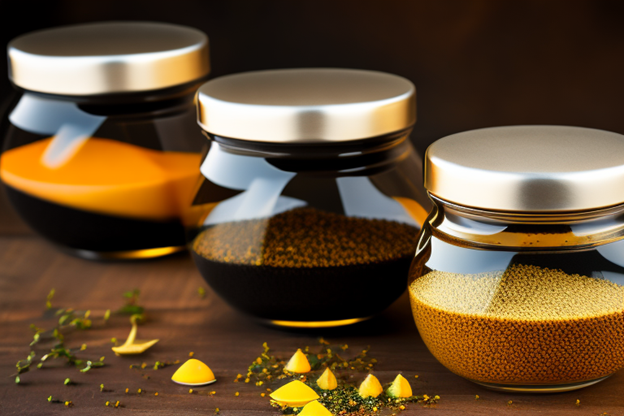
A Brief on common Islamic Remedies
Islamic medicine has a long history of using natural remedies to promote health and wellness. The use of herbs and plants as medicinal agents is documented in many Islamic texts, including the Quran and the Hadiths. Here are some common herbs and remedies used in Islamic medicine and their health benefits.

How Scientists Identify New Phytochemicals and Their Potential Benefits
Plants have been used for centuries as a source of medicine, and recent studies have shown that many of these plants contain beneficial compounds known as phytochemicals.

Science behind Phytomedicine
Herbal medicine has been used for centuries, and it continues to be a fascinating topic in the world of science. The magic behind herbal remedies lies in the compounds found in plants, known as phytochemicals. These compounds are the building blocks of many traditional medicines and have been known to cure various ailments.

The Dangerous Side of Synthetic Medicine
The development of synthetic drugs has been a significant breakthrough in modern medicine, but they also come with side effects that can impact overall health.

The influence of Islam on the development of modern medicine
From the 7th century to the present day, Islamic medicine has made significant contributions to the field of medicine, and many of its principles and practices are still relevant today.

Unlocking the Power of Plants: The Science Behind Phytochemical Analysis
Phytochemical analysis is the process of identifying and quantifying the chemical compounds present in plants.